
Every successful tiling project starts long before the first tile is installed. While finishes often receive the most attention, the performance of a wall or floor depends on the materials hidden beneath the surface. Choosing the correct substrate helps prevent movement, moisture damage, and costly repairs while providing the stability needed for a long-lasting installation. High-quality cement boards have become an essential part of modern construction because they provide a reliable foundation for tiled walls and floors in both residential and commercial buildings.
The Foundation Behind Every Durable Tiled Surface
Tiles are only as strong as the surface supporting them. Even premium adhesives and high-quality tiles cannot compensate for a weak or unstable substrate. If movement occurs beneath the tiled finish, cracked grout, loose tiles, and water penetration often follow.
This is why professional installers place so much importance on selecting the correct backing material. A rigid, moisture-resistant substrate supports the entire installation while helping maintain its appearance and structural integrity over time.
For bathrooms, kitchens, utility rooms, and other moisture-prone environments, selecting specialist cement boards provides a far more dependable solution than traditional plasterboard or timber-based sheet materials.
Why Cement Boards Continue to Be the Preferred Choice
Modern cement boards are manufactured to withstand demanding environments where humidity, frequent cleaning, and occasional water exposure are expected. Unlike conventional plasterboard, they do not soften or deteriorate when exposed to moisture, making them suitable for areas where long-term durability is essential.
Their rigid construction provides excellent support for ceramic, porcelain, and natural stone tiles while helping minimise movement beneath the finished surface. They also create a stable base for tile adhesives and waterproofing systems, improving the overall performance of the installation.
Beyond moisture resistance, cement boards are valued for their strength, dimensional stability, and ability to perform consistently throughout the life of the building.
Where Aquapanel Board Makes the Difference
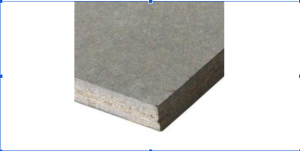
When selecting a premium substrate for demanding environments, aquapanel board is one of the products frequently specified by contractors and building professionals. Designed for both internal and external applications, it performs particularly well in areas where moisture resistance and structural stability are essential.
An aquapanel board can be used in wet rooms, bathrooms, shower enclosures, commercial kitchens, and external façade systems. Its cement-based construction allows it to maintain its strength even in challenging conditions, helping create a dependable surface for tiling or rendering.
Because of its versatility, it is suitable for both new-build projects and refurbishment work, giving installers confidence that the finished system will continue to perform for many years.
Creating a Complete Installation System
A successful installation depends on more than selecting a quality substrate. Adhesives, waterproof membranes, fixings, and underlays all contribute to the overall performance of the finished wall or floor.
For example, when installing tiled flooring, an acoustic underlay such as Corkment may be used beneath the finished floor to improve sound insulation and comfort underfoot. Meanwhile, cement boards provide the structural support required beneath wall tiles or heavy floor finishes.
Although these products serve different purposes, they work together within the same construction system to improve durability, stability, and overall performance.
Choosing the Right Board for Different Applications
Not every project has the same requirements, so selecting the appropriate substrate is important.
Bathrooms and wet rooms require excellent moisture resistance, making specialist cement boards the preferred option. Kitchens and utility rooms also benefit from rigid backing materials that support heavy tiled finishes while resisting humidity.
Where external applications are involved, an aquapanel board offers the durability needed to withstand changing weather conditions while remaining compatible with modern render systems.
By selecting products according to the demands of each environment, builders can reduce future maintenance and improve the lifespan of the finished installation.
Long-Term Benefits of Using the Right Substrate
Investing in quality substrate materials provides lasting benefits that extend well beyond installation.
A stable backing board helps reduce tile movement, protects against moisture-related damage, and supports the effectiveness of waterproofing systems. It also creates a more reliable base that contributes to better overall build quality.
For contractors, this means fewer callbacks and greater customer satisfaction. For homeowners, it provides confidence that bathrooms, kitchens, and other tiled spaces will continue performing as intended for years to come.
Conclusion
Every durable tiling project begins with the right foundation. Choosing quality cement boards creates the strength and stability needed for long-lasting wall and floor installations, while products such as aquapanel board provide dependable performance in demanding wet and external environments. Combined with suitable adhesives, waterproofing systems, and complementary installation materials, the correct substrate helps ensure every project delivers lasting durability, reliable performance, and professional results. Insulation Point Limited supplies a comprehensive range of high-quality building boards and insulation products, helping contractors, developers, and homeowners choose reliable solutions for tiling and construction projects of every size.