
Looking after your teeth is one of the most important long-term investments you can make in your overall wellbeing. Good oral health supports comfortable eating, clear speech, confidence when smiling, and can help reduce the likelihood of more complex dental problems developing in the future. While daily brushing and flossing are essential, professional care remains an equally important part of maintaining healthy teeth and gums.
As dentistry continues to evolve, patients now benefit from improved technology, better communication, and a wider variety of treatment options than previous generations enjoyed. Understanding what makes a high-quality dental practice can help anyone make more confident decisions about their oral healthcare.
What Should You Expect From a Modern Dental Practice?
A professional dental practice should offer more than treatment when something goes wrong. Its primary objective should be helping patients preserve their natural teeth for as long as possible through education, prevention, and personalised care.
When choosing a dentist Hammersmith, it is worth looking beyond location and convenience. Factors such as professional qualifications, ongoing training, patient reviews, transparent communication, and investment in modern equipment all contribute to the quality of care patients receive.
A welcoming environment also makes a significant difference. Patients should feel comfortable discussing concerns openly and asking questions about recommended treatments without feeling rushed or pressured.
Why Prevention Remains the Cornerstone of Dentistry
Preventive dentistry focuses on avoiding disease rather than simply treating its consequences. Routine appointments allow dental professionals to monitor changes that patients may not notice themselves. Conditions such as tooth decay, gum disease, enamel wear, and cracked fillings frequently develop gradually before symptoms become apparent.
Regular preventive care commonly includes:
- Clinical examinations
- Assessment of gum health
- Oral cancer screening
- Professional hygiene appointments where appropriate
- Diagnostic imaging when clinically necessary
Early diagnosis often leads to simpler treatment, shorter appointments, and lower long-term costs.Preventive care also encourages patients to maintain healthy habits between visits, supporting better outcomes throughout life.
Restoring Missing Teeth With Modern Solutions
Missing teeth can affect much more than appearance. They may influence chewing efficiency, speech, bite balance, and even jawbone health over time.
For many suitable patients, dental implants in the UK provide an effective long-term option for replacing missing teeth. Unlike removable appliances, implants are placed within the jawbone, creating stable support for crowns, bridges, or dentures.
Although dental implants in the UK have become increasingly popular, they are not appropriate for everyone. Bone quality, gum health, medical history, smoking habits, and oral hygiene all influence treatment suitability.
A comprehensive assessment allows clinicians to recommend the most appropriate solution based on each patient’s individual circumstances rather than adopting a one-size-fits-all approach.
The Role of Technology in Better Patient Care
Modern dentistry has embraced digital innovation to improve both diagnosis and treatment planning.Digital scanners have reduced the need for conventional impressions in many situations, creating a more comfortable experience for patients. Three-dimensional imaging provides greater detail for complex procedures, while high-resolution digital radiography supports earlier detection of hidden problems.
Technology also enhances communication. Dentists can use images and digital models to explain findings more clearly, helping patients understand both current conditions and recommended treatment options.Although advanced equipment improves efficiency and precision, successful outcomes still depend on clinical expertise and careful decision-making.
Communication Creates Better Experiences
Clinical knowledge is only one part of excellent dentistry. Effective communication is equally important.
Patients should understand:
- What has been diagnosed
- Why treatment is recommended
- Alternative options available
- Expected outcomes
- Likely maintenance requirements
Clear explanations reduce uncertainty and allow patients to make informed choices that reflect their priorities and expectations. Good communication is especially valuable for nervous patients, who may benefit from extra reassurance and opportunities to ask questions before treatment begins. Feeling involved in the decision-making process often increases confidence throughout the course of care.
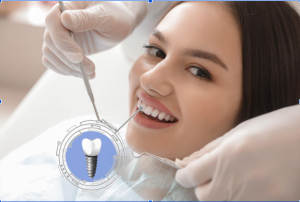
Cosmetic Dentistry Should Enhance, Not Compromise
The demand for cosmetic dentistry continues to increase as more people seek improvements in the appearance of their smiles.
Popular treatments include whitening, veneers, composite bonding, and orthodontic correction. However, responsible cosmetic dentistry always begins by ensuring that teeth and gums are healthy before aesthetic improvements are considered.Experienced clinicians focus on preserving natural tooth structure wherever possible while creating results that complement facial features rather than appearing artificial.A healthy smile that functions properly should always remain the priority.
Daily Habits That Support Long-Term Oral Health
Professional treatment provides only part of the picture. Everyday habits have an equally significant influence on oral health.Simple routines can dramatically reduce the likelihood of dental disease developing over time.Helpful practices include brushing twice daily using fluoride toothpaste, cleaning between teeth, maintaining a balanced diet, limiting sugary drinks, and staying well hydrated.
Regular dental appointments reinforce these habits while allowing clinicians to identify any changes before they become more serious.Consistency usually delivers better long-term results than occasional intensive efforts.
Managing Dental Anxiety With Modern Approaches
Dental anxiety remains common, affecting people of all ages and backgrounds.Fortunately, modern dental care has become considerably more patient-centred. Gentle communication, improved anaesthetic techniques, and a greater emphasis on patient comfort have transformed many aspects of treatment.
When selecting a dentist Hammersmith, patients may wish to choose a practice that demonstrates understanding of nervous individuals and offers supportive consultations before treatment begins.Even small adjustments, such as explaining procedures step by step or allowing short breaks during appointments, can make a substantial difference to patient confidence.Addressing anxiety early encourages regular attendance, reducing the likelihood of emergency treatment becoming necessary later.
Building a Long-Term Partnership With Your Dental Team
Excellent oral health is rarely achieved through occasional appointments alone. Instead, it develops through an ongoing partnership between patients and dental professionals.
A dental team that becomes familiar with your medical history, lifestyle, and oral health patterns is better positioned to recognise subtle changes over time and provide personalised advice as your needs evolve.
This continuity helps create more effective preventive strategies while ensuring treatment decisions are based on a thorough understanding of your long-term dental health.
Conclusion
Healthy teeth and gums contribute to comfort, confidence, and overall quality of life. By choosing professional care, maintaining good daily habits, and attending regular examinations, patients can significantly reduce the risk of future dental problems while preserving their natural smile for longer. Perfect Smile remains dedicated to supporting patients with personalised care, modern dentistry, and a strong commitment to lasting oral health.